
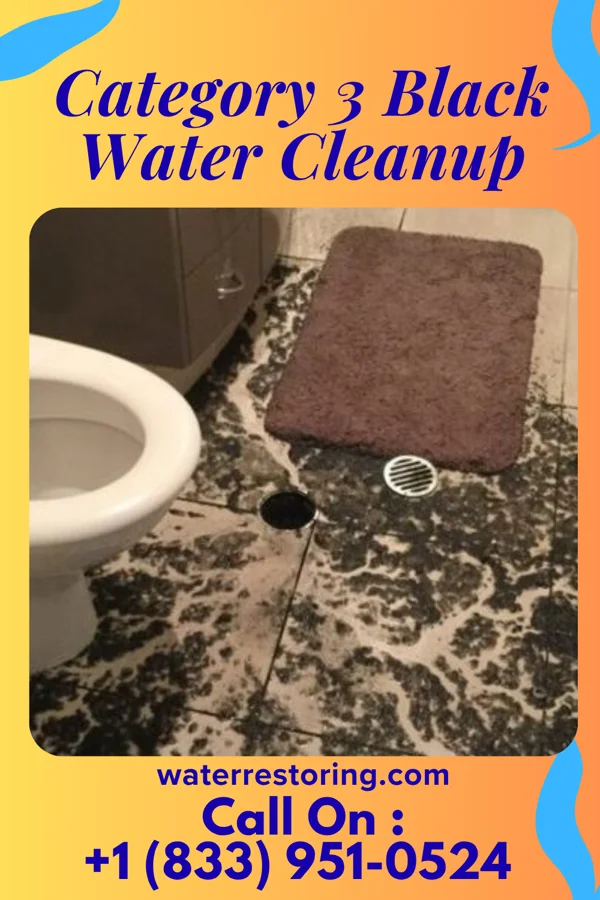
Why Category 3 Demands HAZMAT Response in Evansville
Most water damage emergencies in Evansville start with combined sewer overflow pushing raw sewage into basements during spring storms. A close second is septic system failure during spring snowmelt saturation. From the second water touches the property, every minute changes what gets saved and what gets ripped out.
Evansville's warm, humid climate promotes rapid microbial growth in water, increasing the risk of contamination during flooding events. The region's flat terrain also contributes to water pooling and prolonged exposure.
Most category 3 black water cleanup calls in Evansville come from combined sewer overflow pushing raw sewage into basements during spring storms. Running a close second is septic system failure during spring snowmelt saturation. Once water sits unaddressed past 24 to 48 hours, microbial growth starts and the job gets a lot more expensive.
For public guidance on the health effects of mold after prolonged water exposure, see the EPA mold and health page.